
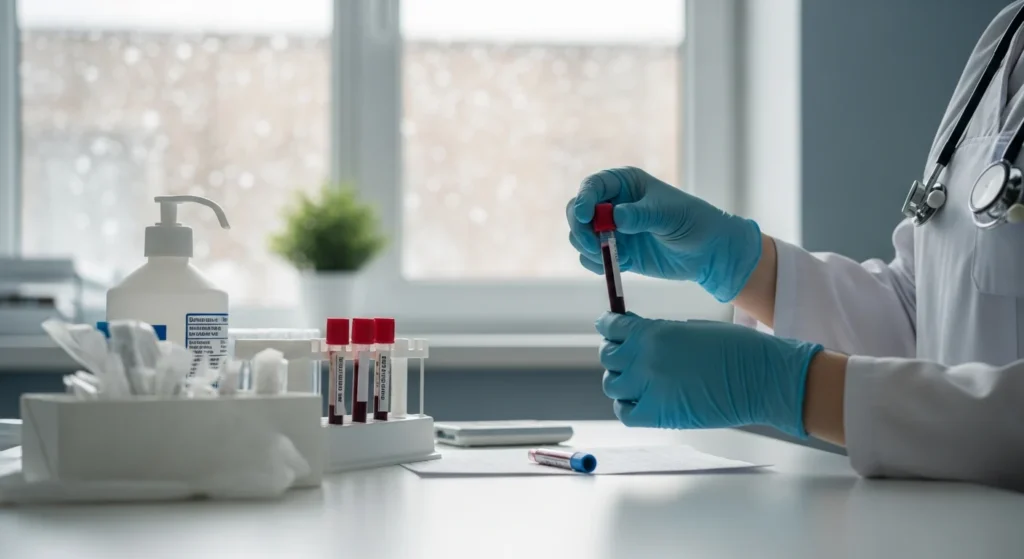
Blood tests are one of the most reliable ways to understand what’s happening inside your body. From routine health checkups to diagnosing chronic conditions, a blood analysis test plays a vital role in modern healthcare. However, many people don’t realize that timing—especially during the winter season—can directly affect the accuracy of a laboratory test blood report.
Winter brings about changes in metabolism, hydration ranges, immunity and even hormone secretion. These seasonal changes make it even extra important to recognise when and a way to agenda your blood tests. In this particular manual, we’ll explore the exceptional time to take blood tests in winter, how cold weather impacts results, and practical tips to ensure your blood analysis test is as accurate as possible.
Why Timing Matters for Blood Tests in Winter
Your frame follows a natural biological rhythm referred to as the circadian cycle. Many blood parameters—which include hormones, glucose, ldl cholesterol, and cortisol—differ in the course of the day. In iciness, additional factors come into play:
- Reduced physical activity
- Lower sun exposure (Vitamin D changes)
- Cold-induced stress response
- Altered sleep patterns
Because of these factors, the same laboratory test blood sample taken at different times of the day may show different values. Choosing the right time ensures that your blood analysis test reflects your true health status.
Best Time of Day to Take Blood Tests in Winter
Early Morning (7:00 AM – 10:00 AM): The Ideal Window
For most diagnostic tests, early morning is considered the gold standard—especially in winter.
Why morning tests are best:
- Hormones like cortisol and testosterone peak naturally in the morning
- Overnight fasting is easier to maintain
- Minimal physical activity before testing reduces result variation
- Body temperature and hydration are more stable
Most doctors and diagnostic centers recommend scheduling any blood analysis test between 7 and 10 AM for the most consistent laboratory test blood results.
Does Winter Affect Fasting Blood Tests?
Yes, winter can significantly impact fasting tests if you’re not careful.
Common Fasting Tests
- Blood sugar (FBS, PPBS)
- Lipid profile
- Thyroid profile
- Insulin levels
Winter-Specific Challenges
- Feeling hungrier due to cold weather
- Increased tea/coffee intake
- Reduced water consumption
Even small deviations—like drinking sweetened tea—can alter a blood analysis test result. During winter, ensure:
- 8–12 hours of proper fasting
- Only plain water (no sugar, honey, or lemon)
- Adequate hydration the night before
This helps maintain accuracy in your laboratory test blood report.
How Cold Weather Impacts Blood Test Results
Cold temperatures don’t just affect comfort—they can influence test readings.
Key Effects of Winter on Blood Parameters
- Hemoglobin & RBC: May appear slightly elevated due to dehydration
- Blood Pressure: Often increases in cold weather
- Cholesterol: LDL levels may rise during winter
- Vitamin D: Levels commonly drop due to less sunlight
That’s why doctors often interpret blood analysis test results with seasonal context in mind. If you’re monitoring a condition long-term, try to get your laboratory test blood done on the same time of day and season every year.
Best Time for Specific Blood Tests in Winter
Hormone Tests
- Best time: 7–9 AM
- Hormones like testosterone, cortisol, and TSH follow a strong daily rhythm
- Morning testing ensures reliable blood analysis test values
Blood Sugar Tests
- Fasting sample: Early morning
- Post-meal sample: Exactly 2 hours after eating
- Winter cravings can affect glucose—strict timing is crucial
Vitamin Tests
- Vitamin D tests can be done anytime, but morning is preferred
- Winter testing often reveals deficiencies accurately
Complete Blood Count (CBC)
- Can be done any time, but morning offers consistency
- Avoid heavy exercise before sample collection
Is Home Sample Collection Reliable in Winter?
Home sample collection has become increasingly popular—and yes, it is reliable when done correctly.
Tips for accurate home collection in winter:
- Ensure the sample is kept temperature-controlled
- Choose early morning slots
- Stay warm to improve blood flow
- Drink water before collection
Professional labs follow strict protocols to maintain laboratory test blood integrity, ensuring your blood analysis test remains accurate even in cold weather.
What to Avoid Before a Blood Test in Winter
To prevent inaccurate readings, avoid the following:
- Hot baths or heaters right before testing
- Alcohol consumption (at least 24 hours prior)
- Heavy winter meals the night before
- Strenuous exercise
These factors can temporarily alter markers in a blood analysis test, leading to misleading laboratory test blood results.
How to Prepare for a Blood Test During Winter
Simple Preparation Checklist
- Sleep at least 7–8 hours
- Wear warm but loose clothing
- Stay hydrated
- Follow fasting instructions carefully
- Take medications only if advised
Proper preparation ensures your blood analysis test reflects your real health condition rather than seasonal fluctuations.
Why Consistency Is Important for Repeat Blood Tests
If you’re monitoring cholesterol, thyroid, diabetes, or hormones, consistency is key.
- Same time of day
- Similar fasting duration
- Same laboratory, if possible
This approach allows your doctor to compare laboratory test blood results accurately over time using the same blood analysis test standards.
Also Read :- Full Body Health Checkup in Noida: Complete Preventive Care Guide
Final Thoughts
Understanding the best time to take blood tests in winter season can make a meaningful difference in the accuracy of your health reports. Early morning testing, proper fasting, hydration, and consistency are the cornerstones of a reliable blood analysis test. By following these winter-specific guidelines, you ensure that your laboratory test blood results truly reflect your health—helping doctors make better, more informed decisions.
If you schedule regular checkups or monitor a health condition, plan your blood tests carefully this winter. A small decision today can provide clearer answers and better health tomorrow.
Frequently Asked Questions (FAQs)
1. Is winter a good time for a blood analysis test?
Yes. Winter is an excellent time, provided the test is done at the right time of day with proper preparation.
2. Can cold weather affect laboratory test blood results?
Cold weather can influence hydration, cholesterol, and hormone levels, which is why timing and preparation matter.
3. Should I drink water before a blood test in winter?
Absolutely. Proper hydration improves sample quality and accuracy of a blood analysis test.
4. Is morning testing mandatory for all blood tests?
Not all, but most fasting and hormone-related laboratory test blood tests are best done in the morning.
5. Can I take blood tests if I have a cold or flu?
It’s better to wait unless advised by your doctor, as infections can alter blood analysis test results.


