
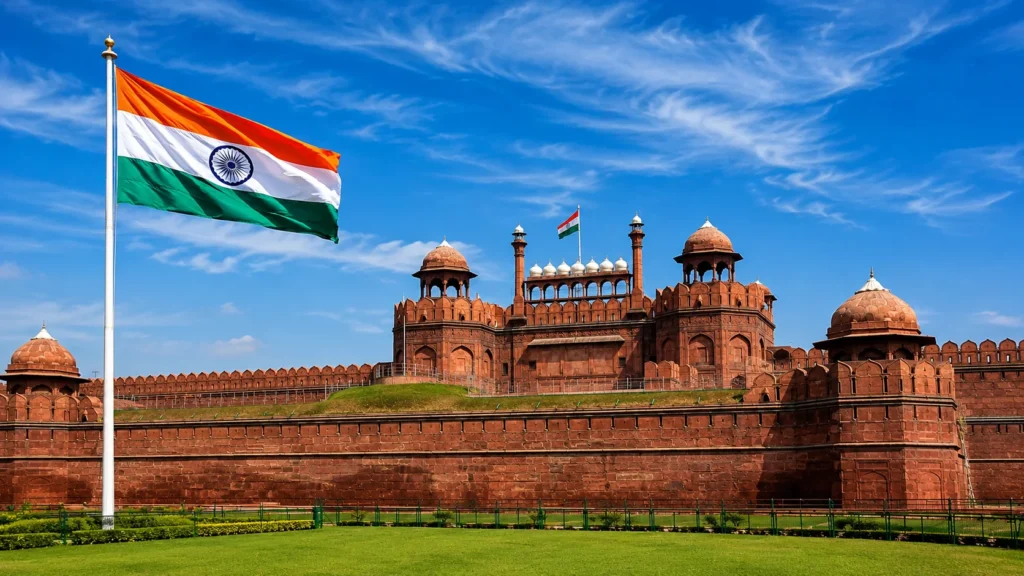
August 15 falls on a Saturday this year, and if you’re quick about it, a single day of leave on either side turns into a proper three or four day break. The catch is that everyone else has already figured this out. Manali, Shimla, and Goa will be packed bumper to bumper, hotel rates will spike overnight, and half your trip will go into sitting in traffic instead of actually enjoying it.
So instead of chasing the usual crowd, here’s a list of places that either stay relatively quiet during this window or actually look their best because of the monsoon, not despite it. Along with that, a few practical notes on booking, budgeting, and what to keep in mind before you leave.
First, Understand What August Actually Means for Travel
August sits right in the middle of the monsoon for most of India, and that changes how you should think about a trip this month. It doesn’t mean cancel your plans — it means picking destinations that suit the season instead of fighting it. Hill routes in Himachal and Uttarakhand can see landslides and road closures, so anything involving mountain driving needs a quick check on local advisories before you leave. On the other hand, desert regions and several coastal stretches are arguably at their best right now, since the usual harsh heat has eased off.
1. Spiti Valley, Himachal Pradesh

Most of Himachal is drenched in rain by August, but Spiti works differently. It sits in what’s called a rain-shadow zone, meaning the monsoon clouds barely reach it. The result is clear blue skies, stark brown mountains, and monasteries perched on cliffs — a landscape that looks almost otherworldly compared to the greener parts of the state at this time of year.
- How to reach: The Manali–Kaza route via Rohtang and Kunzum stays open, though it’s worth checking road conditions a day or two before departure since weather near the passes can shift quickly.
- Ideal duration: At least 5 days. The altitude and long stretches between villages mean rushing through isn’t really an option.
- Budget: Homestays run around ₹800–1,500 a night, and they’re often the better experience anyway — home-cooked meals, local stories, the works.
2. Gokarna, Karnataka

If you want a beach town without the Goa-style noise, Gokarna delivers that. Post-monsoon, the beaches here turn a deeper green along the cliffs, and the water clears up nicely. Om Beach and Kudle Beach are both walkable from each other, and the town has a laid-back café culture that budget travelers tend to love — think hammocks, book exchanges, and no pressure to do anything in particular.
- How to reach: Gokarna Road is the nearest railway station, followed by a short auto or cab ride into town.
- Budget: Beach huts start around ₹600 a night, and food here is genuinely cheap without being poor quality.
3. Meghalaya — Cherrapunji and Mawlynnong

If getting drenched is basically the point of your trip, there’s no better place than the wettest region on Earth. Living root bridges, waterfalls running at full force, and villages that seem to float in the clouds — Meghalaya is arguably at its most dramatic in August. Mawlynnong, often called Asia’s cleanest village, is worth the detour just to see how spotless it actually is.
- How to reach: Fly into Guwahati, then take a cab to Shillong, roughly a 3-hour drive.
- Ideal duration: 4–5 days, using Shillong as your base for day trips.
- Tip: Pack a raincoat and proper waterproof shoes — umbrellas are more or less useless against the kind of rain Meghalaya gets.
4. Jaisalmer, Rajasthan

Very few people think of the desert in August, which is exactly why it works. The extreme heat has died down, hotel rates drop because it’s off-season, and a light green tint spreads across the usually barren landscape after the rains. Sonar Fort and the Sam sand dunes are far more comfortable to explore now than they’d be in peak summer.
- Budget advantage: Hotels that charge premium rates in winter often go for half price or less in August.
5. Coorg, Karnataka

Coffee plantations wrapped in mist, waterfalls that only show up properly during monsoon, and rolling hills that turn a shade of green you don’t see the rest of the year — Coorg is arguably better in August than in any other season. It’s also an easy weekend drive from Bangalore, which makes it a solid pick if you’re traveling from South India and don’t want to burn your whole long weekend on transit.
- How to reach: About 5–6 hours by road from Bangalore.
6. Gangtok and Lachung, Sikkim

Northeast India tends to get overlooked, and that’s honestly a mistake. Gangtok has decent infrastructure, which makes monsoon travel there far easier than in more remote hill regions. The drive up to Lachung passes through clouds and waterfalls that feel like something out of a film, and Yumthang Valley is lush and green this time of year.
- Permit note: Certain areas near the border, including parts of the Nathula route, require an inner line permit. Sort this out through a local travel agent a few days in advance to avoid delays.
7. Auroville and Pondicherry

If you’ve only got two or three days, Pondicherry is one of the easier long-weekend trips to plan. The French Quarter’s colonial streets, the Promenade Beach, and the quiet, almost meditative atmosphere of Auroville make it a good option when you want a break without a huge amount of travel time eating into your holiday.
- How to reach: Around 3 hours by road from Chennai.
8. Wayanad, Kerala

Kerala’s monsoon reputation is well earned, and Wayanad shows it off particularly well in August. Waterfalls run at full strength, tea and coffee estates disappear into the mist, and the whole district feels noticeably cooler than the coastal parts of the state. Wildlife enthusiasts might also want to check out Wayanad Wildlife Sanctuary while they’re there.
Tip: Some trekking routes close temporarily during heavy rain, so it’s worth confirming with the local forest office before planning a hike around your visit.
A Few Notes on Booking
Long weekends push flight and train prices up fast, and this one is no exception. If you haven’t booked yet, it’s worth doing sooner rather than later — Tatkal train quotas in particular tend to fill up well before the date itself. For hotels, look for free-cancellation options wherever possible, since monsoon weather can force last-minute changes to your plans.
One useful trick for keeping costs down: book a train to the nearest major town and cover the last stretch by bus or shared cab. It’s often significantly cheaper than trying to book a direct route all the way to smaller or more remote destinations.
Read More :- Valley of Flowers trek
Final Thought
Rather than following the crowd to the usual hill stations this year, it might be worth picking a destination that actually suits the monsoon instead of working against it. The rain doesn’t ruin every trip — in places like these, it’s often the reason the trip is memorable in the first place.
Frequently Asked Questions
Destinations like Jaisalmer, Gokarna, and Pondicherry tend to be safer bets during monsoon season since they carry little to no landslide risk, unlike many hill routes.
Ideally at least 2–3 weeks in advance. Long weekend demand pushes both train and flight prices up quickly, and availability tightens fast.
Pondicherry, Gokarna, and Coorg are all easily manageable in 3 days without a huge travel budget, since transit time is relatively short.
Yes, largely. Spiti falls in a rain-shadow zone, so it sees far less rainfall than the rest of Himachal. That said, it’s always worth checking road conditions with local authorities before setting out, since landslides elsewhere on the route can occasionally cause delays.
Absolutely — the waterfalls and root bridges are at their most impressive during monsoon. Just pack proper rain gear, since regular umbrellas won’t hold up against the rainfall Meghalaya is known for.


